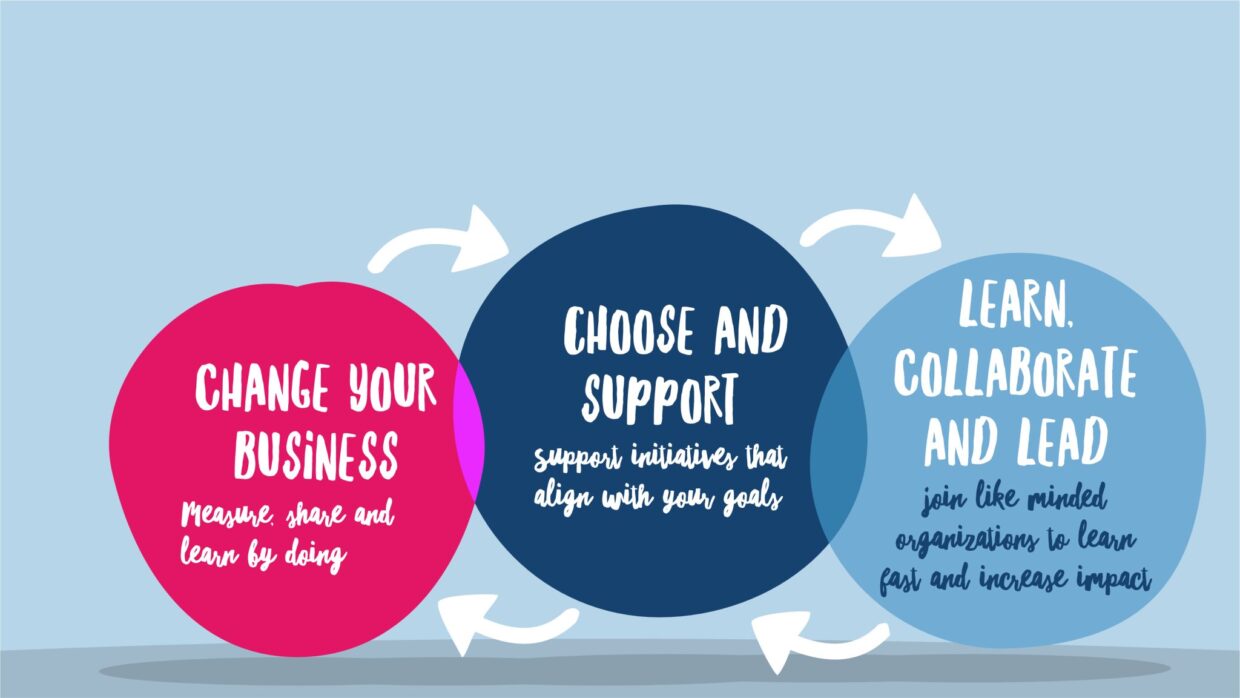
(Innovation) strategies are mostly written as outcome based, rather than effect, and direction. This is rather restrictive. That’s why I write them to improve the change to make impact, learn iteratively:
- Outcome: what changed? how do we behave differently? why is this important?
- Direction: how do we gauge we are on the right track. So, I don’t determine the direction, I determine the tell tale signs and activities to LEARN
- Context: strategy is bound to people, partners and products. Set the nature of the context, so you can listen, learn and lead TOGETHER.
Also: strategies for specific topics should not be ‘yes’, or ‘no’, but with HOW and WHY. Strategy is Yoda vs. Sinek, or more exact: the Inverted Yoda AND Sinek. Start with the WHY and TRY, listen and adjust.
For topics in your strategy you also want to address HOW to TRY, because time, attention and focus are scarce. How you try is also dependent on time.
Were are you NOW, and how, by what intensity to what effect do you want to change. Use the handy bell-curve to gauge your focus.
To slim of a bell-curve? You’re putting too many eggs in one basket.
To flat of a bell-curve? You lack focus.
Check out my article in the comments: on the strategy bell-curve, seven strategies to follow and one to prevent.